






Azure Data Engineer Career Roadmap: From Basics to Certification


Table of content
- What Does an Azure Data Engineer Do?
- Why Choose a Career in Azure Data Engineering?
- Step-by-Step Azure Data Engineer Roadmap
- Essential Skills Required for Azure Data Engineers
- Tools Used by Azure Data Engineers
- Best Learning Approach for Azure Data Engineering
- Common Challenges in Learning Azure Data Engineering
- How Prepzee Helps You Become an Azure Data Engineer
- Future Scope of Azure Data Engineering
- Conclusion
- FAQ
Cloud computing and data technologies are transforming how businesses operate, making data engineering one of the most in-demand career paths today. Companies rely heavily on cloud platforms like Microsoft Azure to manage, process, and analyze massive volumes of data for better decision-making.
This growing demand has created strong opportunities for professionals who understand data pipelines, cloud storage, and analytics systems. If you want to build a successful career in this field, following a structured data engineering roadmap is essential.
This detailed guide explains the complete learning path, required skills, tools, certifications, and best practices to become an Azure data engineer. At Prepzee, we help learners build job-ready cloud and data engineering expertise through structured learning and hands-on practice.
What Does an Azure Data Engineer Do?

An Azure data engineer is responsible for designing, building, and managing data systems in cloud environments. Their primary role is to ensure data is properly collected, stored, transformed, and available for analytics and business intelligence.
Key Responsibilities
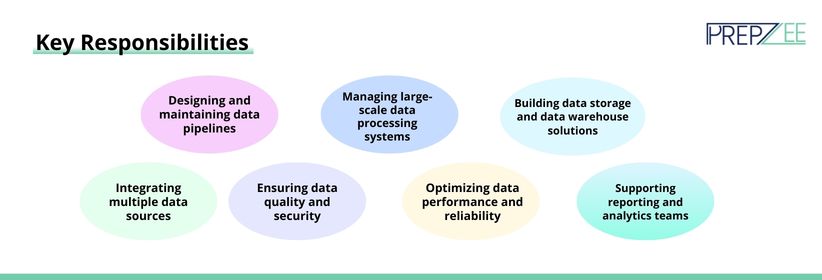
- Designing and maintaining data pipelines
- Managing large-scale data processing systems
- Building data storage and data warehouse solutions
- Integrating multiple data sources
- Ensuring data quality and security
- Supporting reporting and analytics teams
- Optimizing data performance and reliability
Azure data engineers work closely with data scientists, analysts, and business teams to enable data-driven decision-making.
Why Choose a Career in Azure Data Engineering?

Data engineering offers strong career growth and long-term stability due to the increasing demand for cloud-based data solutions.
- High Market Demand: Organizations across industries depend on data infrastructure for operations, making skilled professionals highly valuable.
- Excellent Salary Opportunities: Cloud data engineers are among the highest-paid technology professionals.
- Career Growth and Advancement: Professionals can move into roles such as data architect, cloud architect, or analytics leader.
Global Job Opportunities
Cloud skills are needed worldwide, offering strong international career prospects.
Enrolling in an industry-focused azure data engineer training program helps professionals quickly gain relevant skills and practical experience.
Step-by-Step Azure Data Engineer Roadmap
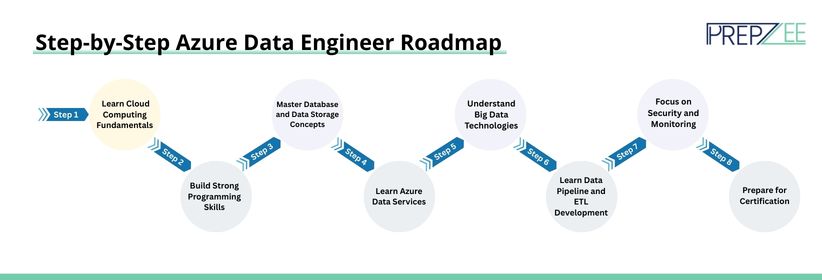
Following a structured learning path helps you build knowledge progressively and develop practical expertise.
Step 1: Learn Cloud Computing Fundamentals
Before working with Azure services, you must understand basic cloud computing concepts.
Core Topics to Learn
- Cloud service models (IaaS, PaaS, SaaS)
- Virtual machines and storage
- Cloud networking basics
- Security and compliance principles
- Scalability and availability concepts
A strong foundation helps you understand how cloud infrastructure supports data processing and storage.
Step 2: Build Strong Programming Skills
Programming is essential for processing data, building pipelines, and automating workflows.
Recommended Languages
- Python for data processing and automation
- SQL for querying databases
- Java or Scala (optional for big data tools)
A structured data engineering course helps you develop coding skills through real-world projects.
Step 3: Master Database and Data Storage Concepts
Data engineers work extensively with structured and unstructured data storage systems.
Key Concepts
- Relational databases and SQL
- Data warehousing architecture
- Data modeling techniques
- Query performance optimization
- ETL (Extract, Transform, Load) processes
Understanding how data is organized improves your ability to design efficient data systems.
Step 4: Learn Azure Data Services
Once you understand cloud and data fundamentals, the next step is learning Azure tools.
Essential Azure Services
- Azure Data Factory for data integration
- Azure Synapse Analytics for analytics workloads
- Azure Data Lake Storage for big data storage
- Azure SQL Database for relational data
A professional azure data engineer course provides hands-on experience with these tools.
Step 5: Understand Big Data Technologies
Handling large-scale data requires knowledge of distributed systems and big data frameworks.
Technologies to Learn
- Apache Spark for large data processing
- Hadoop ecosystem basics
- Batch and stream processing
- Distributed computing concepts
These technologies enable engineers to process large datasets efficiently.
Step 6: Learn Data Pipeline and ETL Development
Building reliable data pipelines is a core responsibility of data engineers.
Skills to Develop
- Data ingestion methods
- Data transformation techniques
- Workflow orchestration
- Data validation and quality checks
- Automation of data movement
Hands-on azure data engineer training helps learners build real-world pipelines.
Step 7: Focus on Security and Monitoring
Data security and system reliability are critical in enterprise environments.
Important Areas
- Data encryption and access control
- Performance monitoring
- Error handling and logging
- Compliance and governance
- System optimization techniques
Understanding these practices ensures secure and stable data operations.
Step 8: Prepare for Certification
Certification validates your skills and improves job opportunities.
Recommended Certifications
- Azure Fundamentals certification
- azure data engineer certification
- microsoft azure data engineer certification
These certifications demonstrate expertise in cloud data engineering and help professionals stand out.
Essential Skills Required for Azure Data Engineers
To succeed, professionals must develop both technical and soft skills.
Technical Skills
- SQL and database management
- Programming knowledge
- Cloud architecture understanding
- Data pipeline development
- Data modeling and transformation
- Big data processing tools
Soft Skills
- Problem-solving mindset
- Analytical thinking
- Communication skills
- Continuous learning ability
A structured learning program helps develop both technical knowledge and practical experience.
Tools Used by Azure Data Engineers
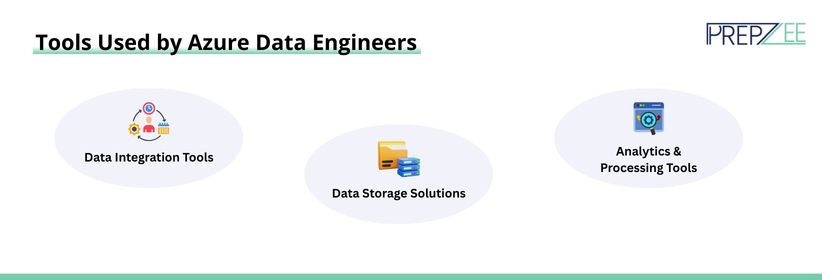
Azure data engineers work with a wide range of tools for data management and processing.
| Category | Tools / Platforms | Primary Use Case |
| Data Integration Tools | Azure Data Factory | Building and orchestrating ETL pipelines for ingesting data from multiple sources |
| ETL platforms | Extracting, transforming, and loading structured and unstructured data | |
| Workflow automation tools | Automating data movement and dependency-based processes | |
| Data Storage Solutions | Azure Data Lake | Scalable storage for raw and processed big data |
| Azure SQL Database | Managed relational database for transactional and analytical workloads | |
| Data warehouse solutions | Centralized storage optimized for analytics and reporting | |
| Analytics & Processing Tools | Azure Synapse Analytics | Unified analytics for data warehousing and big data processing |
| Apache Spark | Distributed data processing for large-scale analytics and machine learning | |
| Business intelligence tools | Data visualization, dashboards, and decision-support reporting |
Understanding these tools is essential for building scalable data systems.
Best Learning Approach for Azure Data Engineering
A strategic learning approach helps you gain expertise faster and build industry-ready skills.
Recommended Strategy
- Start with cloud fundamentals
- Learn programming and databases
- Practice hands-on projects
- Take a structured azure data engineer course
- Work with real datasets
- Prepare for certification exams
Combining theory with practical experience builds confidence and job readiness.
Common Challenges in Learning Azure Data Engineering
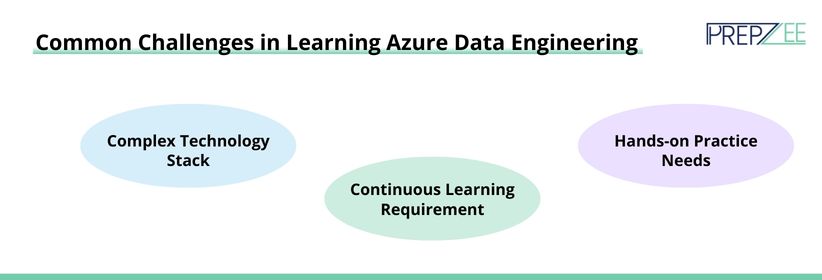
While the career path is rewarding, learners may face certain challenges.
- Complex Technology Stack: Azure data engineering involves multiple tools and services, which can feel overwhelming initially.
- Continuous Learning Requirement: Cloud technologies evolve rapidly, requiring regular skill updates.
- Hands-on Practice Needs: Practical experience is essential to understand real-world scenarios.
Structured guidance and expert support can help overcome these challenges effectively.
How Prepzee Helps You Become an Azure Data Engineer
Prepzee provides structured learning programs designed to help learners build job-ready skills and practical expertise.
What You Get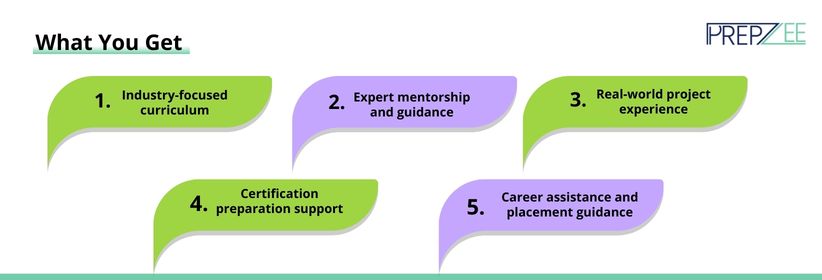
- Industry-focused curriculum
- Expert mentorship and guidance
- Real-world project experience
- Certification preparation support
- Career assistance and placement guidance
Our programs help learners prepare for microsoft azure data engineer certification and develop strong cloud engineering skills.
Future Scope of Azure Data Engineering
The future of data engineering is closely tied to advancements in artificial intelligence, machine learning, and cloud computing.
Emerging Trends
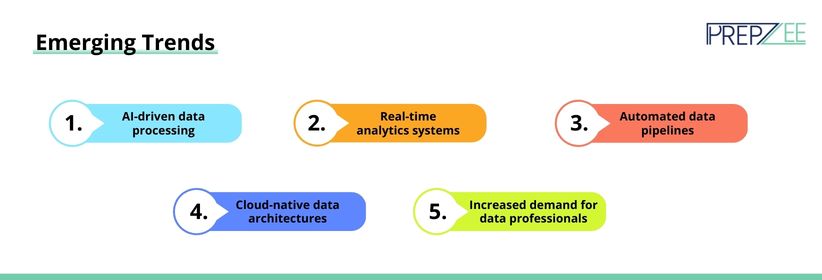
- AI-driven data processing
- Real-time analytics systems
- Automated data pipelines
- Cloud-native data architectures
- Increased demand for data professionals
Professionals who follow a structured data engineering roadmap will be well-positioned for long-term career success.
Conclusion
Becoming an Azure data engineer requires consistent learning, practical experience, and a clear roadmap. By mastering cloud fundamentals, programming, Azure services, and data pipeline development, professionals can build strong expertise in cloud data engineering.
A structured learning path, hands-on practice, and certification preparation help accelerate career growth. With proper guidance and training from Prepzee, you can develop the skills needed to succeed in the fast-growing field of Azure data engineering.
FAQ
An Azure data engineer designs and manages data solutions on cloud platforms. They build data pipelines, manage data storage, and ensure efficient data processing for analytics and reporting.
It typically takes 6 to 12 months depending on your background, learning pace, and practical experience with cloud technologies and data engineering tools.
Yes, it is a high-demand career with strong salary potential, global opportunities, and continuous growth due to increasing reliance on cloud and data technologies.
Key skills include SQL, Python, cloud computing, data modeling, ETL development, and knowledge of Azure data services.
The most recognized credential is the microsoft azure data engineer certification, which validates expertise in designing and implementing data solutions.
Yes, knowledge of programming languages like Python and SQL is essential for data processing and pipeline development.
They use tools like Azure Data Factory, Azure Synapse Analytics, Azure Data Lake, and big data frameworks.
Start with cloud fundamentals, learn programming, enroll in a structured azure data engineer course, and practice building projects.
Data engineers build data systems and pipelines, while data analysts interpret data and generate insights.
Professional training provides structured learning, hands-on projects, certification preparation, and industry-relevant skills.


