






Your 2026 Guide to Becoming a Data Engineer and Getting Hired

Table of content
The world is driven by data, and behind every powerful, data-driven decision is a skilled data engineer making it all possible. In 2026, data engineers are more in demand than ever, and companies across industries are looking for professionals who can turn raw data into clean, organized systems that fuel analytics and innovation.
Whether you’re just starting out or switching careers, this guide will walk you through everything you need to know—how to become a data engineer, what skills you’ll need, job opportunities, career paths, and more. We’ll also explore popular learning options like a Data Engineer Online Course, AWS Data Engineering Course, or Microsoft Fabric Data Engineer Course to help you get started on the right foot.
As the data landscape continues to evolve, so do the tools and technologies used to manage it. That’s why having up-to-date Data Engineer Qualifications is more important than ever. From cloud platforms like AWS and Microsoft Fabric to data processing tools like PySpark and Apache Airflow, the modern data engineer needs both breadth and depth of knowledge. Taking a practical, hands-on course or a program focused on specific tools and platforms can help you build the skills that employers are looking for in 2026.
Why Become a Data Engineer?
There are tons of reasons to pursue a career in data engineering in 2026:
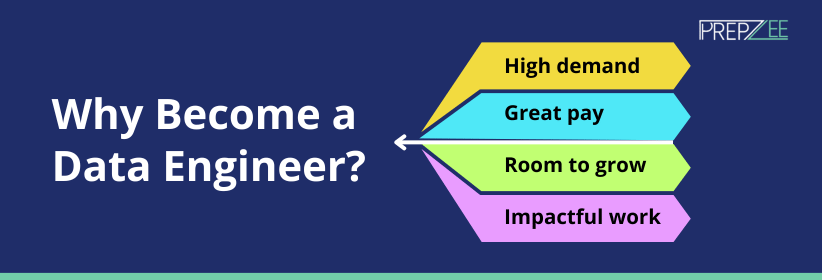
- High demand: Businesses of all sizes rely on clean, accessible data, and data engineers make that happen.
- Great pay: Data engineers are among the highest-paid tech professionals.
- Room to grow: This career offers long-term stability with opportunities to move into senior, lead, or architect roles.
- Impactful work: You’ll be designing systems that power everything from customer analytics to machine learning models.
Plus, investing in your Data Engineer Qualifications through a reliable Data Engineer or Data Analysis Course can fast-track your career even if you’re starting from scratch.
How to Become a Data Engineer in 2026?
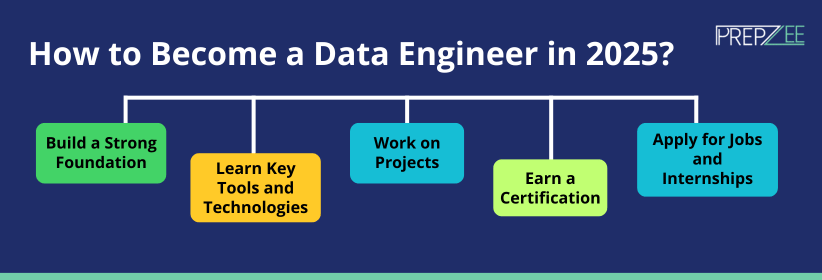
So, how do you become a data engineer in 2026? The good news is, there’s no one “right” path—but here’s a typical step-by-step roadmap:
1. Build a Strong Foundation
Start by learning the basics of data and programming. A Data Analysis Course is a great entry point if your brand new, helping you understand how data works and how to use tools like SQL and Excel. Once you’re comfortable, transition into more advanced topics.
2. Learn Key Tools and Technologies
A successful data engineer knows how to work with modern tools and platforms. Enroll in a Data Engineer Online Course that covers essential technologies (we’ll list those shortly). You can also specialize with a Microsoft Fabric Data Engineer or AWS Data Engineering Course, depending on the cloud platform you plan to work with.
3. Work on Projects
Build real-world projects as part of your learning journey. These can include data pipelines, dashboards, or ETL processes. These projects will be key when applying for jobs.
4. Earn a Certification
Getting certified improves your resume and shows employers you’re serious. Look for certifications that are respected in the industry, like those from AWS, Microsoft, or Databricks.
5. Apply for Jobs and Internships
Once you’ve built skills and some hands-on experience, start applying. Entry-level roles like junior data engineer or ETL developer are a great place to start.
Skills Needed to Become a Successful Data Engineer
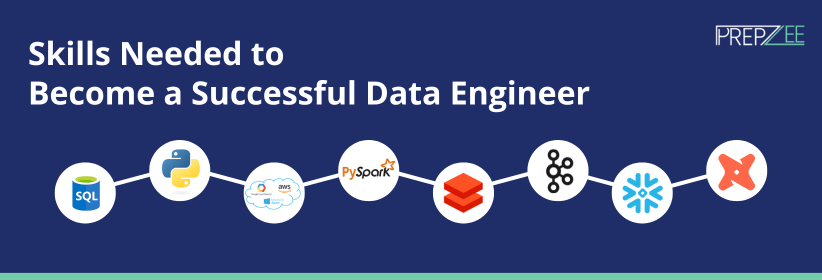
Data engineers need a mix of programming skills, data knowledge, and experience with data pipeline tools. Here’s a breakdown of the must-have data engineer skills in 2026:
- SQL – Your bread and butter for querying and managing data in relational databases.
- Python – Used for scripting, automation, and building data pipelines.
- Cloud Platforms – Familiarity with Microsoft Azure, AWS, or Microsoft Fabric is crucial. If you’re focused on Microsoft tools, the Fabric Data Engineer Course is a great option.
- Apache Airflow – For workflow orchestration and managing pipeline schedules.
- PySpark – Essential for big data processing using distributed systems.
- Kafka – Handles real-time data streaming, great for high-velocity data.
- Databricks – A leading analytics platform built on Apache Spark.
- Snowflake – A cloud-based data warehouse that’s growing fast.
- DBT (Data Build Tool) – A popular tool for data transformation and modeling in analytics engineering.
These tools and platforms are often included in advanced Data Engineer Courses, so make sure your program covers them.
Role and Responsibilities of a Data Engineer
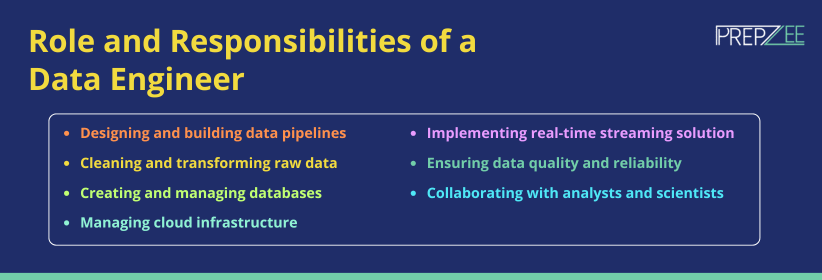
So, what does a data engineer actually do every day? Here’s a closer look at the key responsibilities:
- Designing and building data pipelines to move data from source to destination.
- Cleaning and transforming raw data into formats usable by analysts or data scientists.
- Creating and managing databases, warehouses, or data lakes.
- Implementing real-time streaming solutions using tools like Kafka or Spark.
- Ensuring data quality and reliability through testing and monitoring.
- Collaborating with analysts and scientists to understand their data needs.
- Managing cloud infrastructure, particularly if you’re certified through a Microsoft Fabric Data Engineer certification or AWS Data Engineer Certification.
Whether you’re in a startup or a global enterprise, your job is to make sure the right data is available at the right time, in the right format.
Available Jobs as a Data Engineer
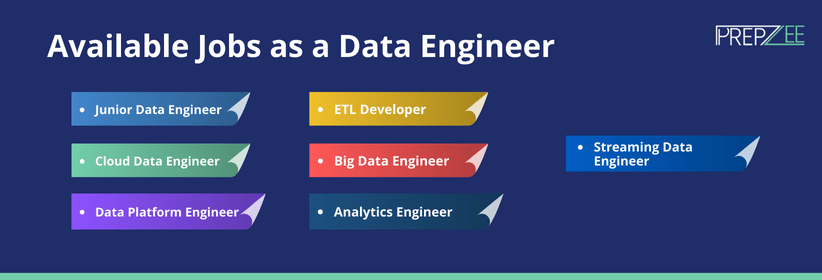
As of 2026, job boards are filled with listings for skilled data engineers. Some popular roles you can apply for include:
- Junior Data Engineer
- ETL Developer
- Cloud Data Engineer
- Big Data Engineer
- Data Platform Engineer
- Streaming Data Engineer
- Analytics Engineer
And if you specialize with a Fabric Data Engineer certification, you’ll be well-positioned for roles in companies using Microsoft’s data ecosystem.
Demand is especially high in industries like finance, healthcare, retail, logistics, and tech. Completing a Data Engineer Online Course with real-world projects can help you land interviews faster.
Salary and Career Path of a Data Engineer
One of the biggest reasons to pursue this path? The pay is great—and it keeps getting better as demand for skilled professionals continues to rise. In 2026, data engineers are among the top earners in the tech industry, thanks to their critical role in helping businesses manage, process, and utilize large volumes of data efficiently.
Average Salaries in 2026:
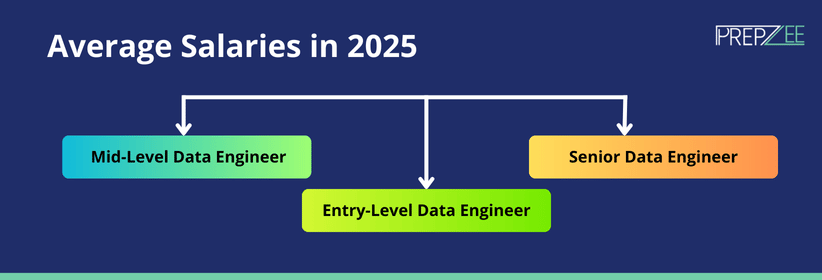
Mid-Level Data Engineer: $100,000 – $125,000/year
After 2–4 years of experience and possibly a certification like the AWS Data Engineering Course or Microsoft Fabric Data Engineer Course, you can command even higher salaries. By this stage, you’re likely managing data pipelines independently and contributing to architectural decisions.
Entry-Level Data Engineer: $75,000 – $95,000/year
If you’re just starting out, perhaps after completing a Data Engineer Online Course or transitioning from a Data Analysis Course, you can still expect a solid starting salary. With foundational Data Engineer Qualifications in place, you’ll be positioned for quick growth.
Senior Data Engineer: $130,000 – $160,000+/year
With 5+ years of experience, strong cloud skills, and advanced tools under your belt, senior data engineers lead major data projects, mentor junior staff, and make strategic technology choices. Salaries in this range reflect the technical leadership and deep expertise you bring to the table.
Certifications and hands-on training can significantly boost your salary, even early in your career. Employers value candidates with validated skills, and having the right credentials often gives you a competitive edge during hiring and salary negotiations.
Read More: Data Engineer Interview Questions & Answers
Career Progression:
The career path for a data engineer is both structured and flexible, offering multiple growth opportunities. Here’s a typical ladder:
- Junior Data Engineer
- Data Engineer
- Senior Data Engineer
- Lead or Principal Data Engineer
- Data Architect or Engineering Manager
Each step brings more responsibility, technical depth, and leadership opportunities. As you gain experience, you’ll be expected to design complex systems, guide teams, and align data strategies with business goals.
You can also pivot into related and high-paying roles depending on your interests and strengths. Many professionals with solid Data Engineer Qualifications transition into roles such as machine learning engineer, data architect, or cloud solutions architect—especially if they’ve completed specialized programs like an AWS Data Engineering Course or a Microsoft Fabric Data Engineer Course.
In short, data engineering not only offers excellent pay, but also a long-term, rewarding career with endless possibilities for advancement and specialization.
Final Thoughts
If you’re interested in working with data, solving real-world problems, and building things that matter, becoming a data engineer is an amazing career choice in 2026. It’s challenging, rewarding, and full of opportunities for growth.
To get started, invest in a high-quality Data Engineer Online Course or specialized track like the AWS Data Engineering Course or Microsoft Fabric Data Engineer Course. These programs will help you build your Data Engineering Skills, give you hands-on experience, and get you job-ready.
Don’t forget: a strong foundation in SQL, Python, and cloud platforms is essential. Combine that with tools like Airflow, PySpark, Kafka, and DBT, and you’ll have everything you need to launch a successful career.
No matter your background—whether you’re switching from another field, just finished a Data Analysis Course, or are starting from scratch—there’s never been a better time to break into data engineering. With platforms like Prepzee, you can access expert-led training, hands-on projects, and certification-focused content that helps you build strong Data Engineer Proficiency and get job-ready faster.
The future is data. Be the engineer behind it.
Siddharth Sharma